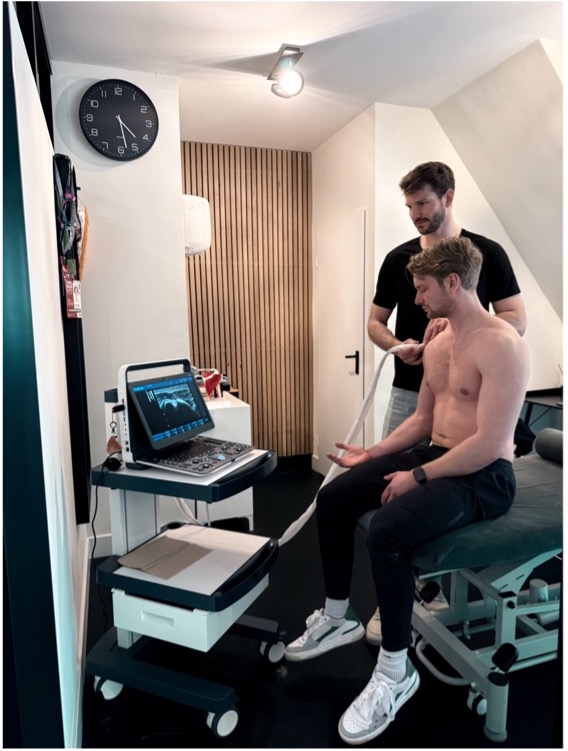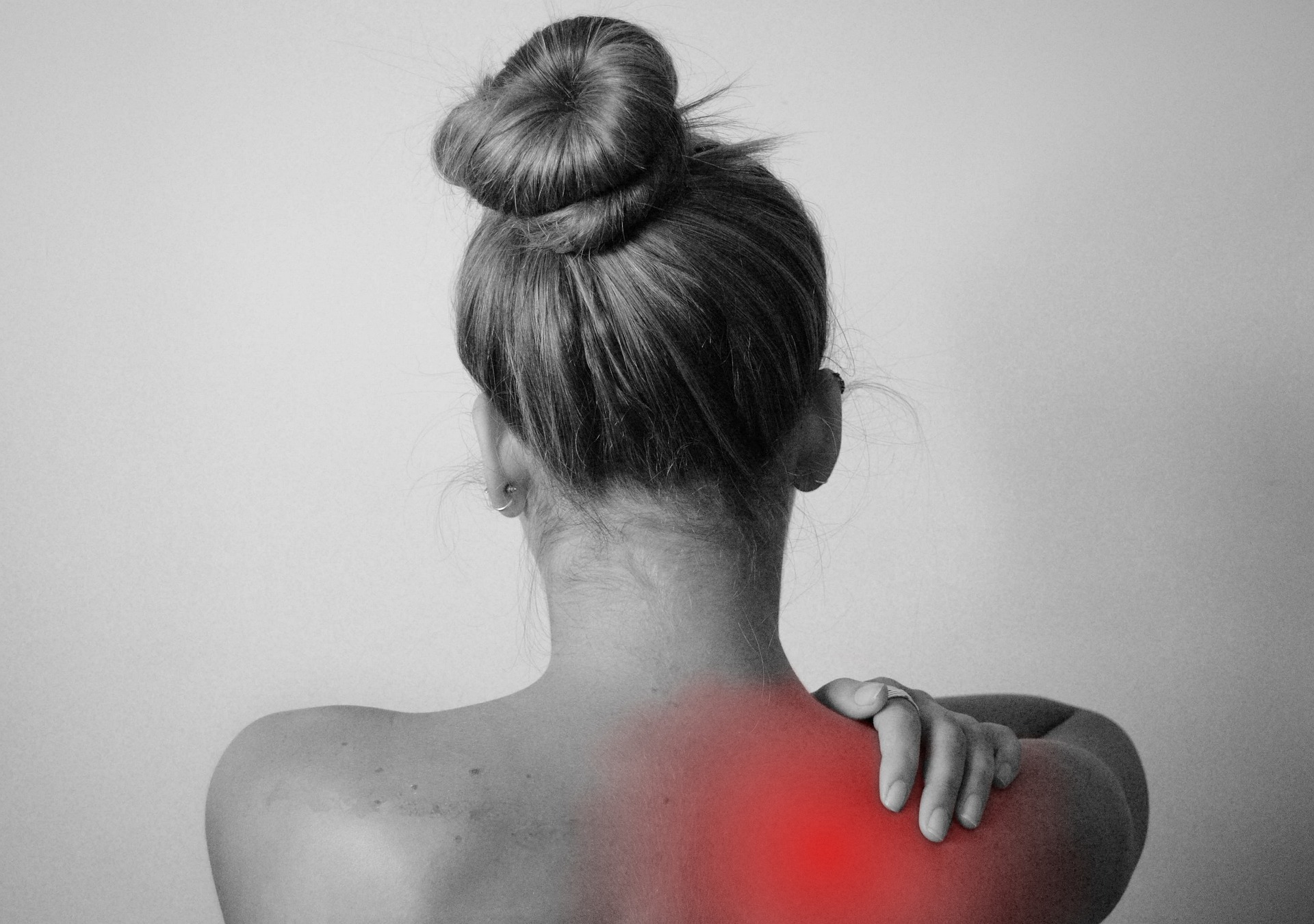
When your shoulder problems don't want to improve
You've been practicing faithfully for weeks. Stretch, strengthen, keep moving — and yet that shoulder keeps protesting. Frustrating, because you do everything “by the book”. Maybe you're thinking: does anything need to be operated on now?
Good thing you're wondering, but that's not usually the first solution.
What we know from research
A large study shows that the majority of people with shoulder pain recover considerably with a well-structured exercise program. Often within three months. Only a smaller proportion will continue to have complaints afterwards (Cederqvist et al., 2021)
That group looked at the difference between continuing therapy and surgery. After two years, both groups appeared to function approximately equally well. Only people with a complete rotator cuff tear experienced slightly more progress after surgery — but the differences were small.
In short: in most cases, keeping moving, dosing properly and persevering is more effective than going under the knife.
Why continuing to practice pays off
The shoulder responds strongly to targeted movement. Strength, coordination and trust are slowly building up. That sometimes feels slow, but it works.
At EBP Studio Amsterdam, we often see that it is precisely in the phase where people almost want to give up that real progress begins.
Recovery is rarely spectacular — rather, it's a series of small steps that together make a difference.
What if it doesn't get better?
Keep taking a critical look at your plan:
- Is the diagnosis still correct? Sometimes the cause lies elsewhere.
- Is the tax properly adjusted? Too much or too little can hamper recovery.
- Are there still options in therapy? For example, an adjustment to the exercises or extra guidance.
Only when you have tried everything and a clear, complete tear is visible, surgery can be the next step.
But even then, another period of rehabilitation follows.
The core
Most shoulders recover without surgery — with time, focused practice and guidance.
At EBP Studio Amsterdam we help you understand where you stand, what your options are and how to regain confidence in moving.
Not by rushing to the next step, but by jointly determining which step is really necessary.



.jpg)
.jpg)